
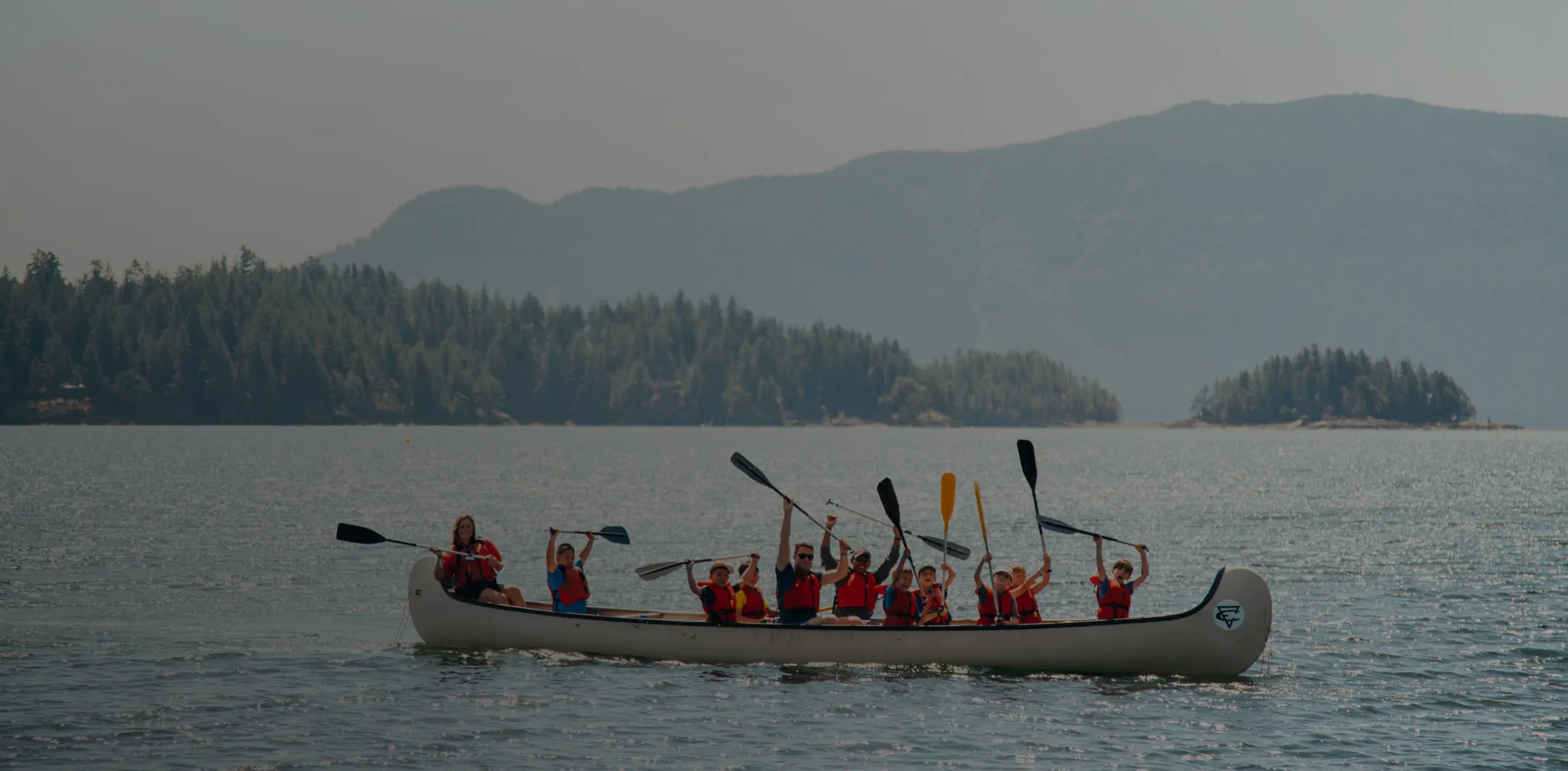
Whether your camper is joining us for Day Camp or Overnight Camp, or your family is spending time together at Family Camp, we look forward to welcoming you for an exciting camp experience.
Talking about camp and preparing together can help make the experience more positive from the very first day. First-time and seasoned campers, parents and caregivers will naturally have questions, so planning ahead is key.
On this page, you will find information about camp activities, packing and preparation, health and safety, behaviour expectations, transportation and more.
Please review the sections relevant to your experience before arriving at Camp Elphinstone. If you cannot find the answer to your question, contact our camp team. Early communication gives us time to address questions or concerns and help make your arrival as smooth as possible.

See our suggestions on what to bring with you to camp and what to leave at home.

Explore the camp activities available during your camp experience.

Review information that helps us support a healthy, safe and inclusive camp experience.

Learn about inclusion, behavioural, cancellation and transfer policies that help everyone enjoy their time at camp.

Find the sign-in, sign-out, bus, ferry and arrival information relevant to your program.
Manage how your camper can take home souvenirs of their camp experience.
Get your camper involved so they can easily recognize their belongings.
Since they’ll be away for anywhere from four days to three weeks, it’s very important that they come equipped with all the items needed to be comfortable at camp.

At Camp Elphinstone, water is treated and returned directly to the ocean. Our system works best and operates cleanly when soap products used at camp are biodegradable.
Please ensure that shampoo, soap and conditioners brought to camp are biodegradable.

Please write your camper’s name on all of their belongings in case anything gets misplaced.
If your camper may have left an item behind during their visit to Camp Elphinstone, please complete our Lost & Found inquiry form to provide a description of the missing item.
Before heading to camp, take a few moments to review these important reminders to help ensure a comfortable and enjoyable experience. Our outdoor programs continue rain or shine. Please come prepared for the weather and label belongings clearly.
See below for our suggested packing lists.
Please do not miss to review the Heat Treatment Room instructions below the packing lists to ensure any heat-sensitive items are packed separately and can be removed easily on arrival.
There are a few items your camper will need during their first day at camp. Pack these items in a separate, smaller bag that your camper can keep with them during orientation.
See Packing List
This list is based on a 5-Day session . Kindly adjust quantities for shorter or longer sessions.
Old suitcases, duffels, backpacks or laundry bags are ideal for packing your belongings. We do not recommend using expensive luggage. Please DO NOT pack items in garbage bags, as they tear easily and maybe mistaken for garbage.
Clothing
Personal Items
Bedding
Optional Items
Campers participating in our 3-Day and 8-Day canoeing out-trips require additional clothing and equipment. Review the common packing list below, followed by the specific requirements for your camper's program.
Clothing
All clothing must be made from quick-dry materials. Please do not pack cotton clothing, as it does not dry easily when wet.
Pack for All Programs
For 3-Day Canoeing Trip
For 8-Day Canoeing Trip
Out-trip Footwear
Campers must bring two pairs of closed-toe shoes for their out-trip: one “wet” pair and one “dry” pair. The wet pair will be worn during the day and will get wet. The dry pair must be kept clean and dry for evenings and downtime.
Wet Shoes
Dry Shoes
Crocs are not considered appropriate out-trip shoes.
Personal Items
Personal belongings will be packed in personal or camp-provided 30-litre dry bags for the out-trip.
Water Bottle Recommendation: Nalgene-style water bottles are preferred because they float. Metal water bottles will sink.
Pack for All Programs
Quantities for 3-Day Conoeing Trip
Quantities for 8-Day Canoeing Trip
Sleeping Equipment
Optional Items
Campers participating in Leadership Development programs require additional clothing and equipment for their trips. Refer the General Packing List above and then review the specific requirements for your camper below.
Clothing
All clothing must be made from quick-dry materials. Please do not pack cotton clothing, as it does not dry easily when wet.
Pack for All Programs:
Footwear
Water socks do not count as wet shoes. Wet shoes must have a hard sole.
Personal Items
Nalgene-style water bottles are preferred because they float. Metal water bottles will sink.
Pack for All Programs
Sleeping Equipment
Optional Items
We believe that a camp experience should be a return to the basics, where campers can develop a sense of harmony with nature, themselves and others. If any of the items listed below are brought to camp, they will be collected by camp staff and returned at the end of the camp session.
See The List
IMPORTANT: Any food brought to camp must be nut-free. Please check ingredient labels carefully before packing snacks or other food items.
For your child’s comfort and well-being, please ensure they are prepared for the weather and arrive each day with these items.
See Packing List
We believe that a camp experience should be a return to the basics, where campers can develop a sense of harmony with nature, themselves and others. If any of the items listed below are brought to camp, they will be collected by camp staff and returned to the parent/guardian at the end of the camp session.
See The List
Please do not miss to review the Heat Treatment Room instructions below the packing lists to ensure any heat-sensitive items are packed separately and can be removed easily on arrival.
When packing for camp, be sure to consider the length of your stay, the time of year and the activities in which your family may participate. Camp programs continue rain or shine. For your family’s comfort and well-being, please come prepared for the weather.
The luggage you transport your belongings in does not need to be expensive. Backpacks are ideal, while hockey bags, duffels, old suitcases and laundry bags can work well, too.
Please DO NOT pack items in garbage bags, as they tear easily and maybe mistaken for garbage. Read on for our list of recommended items to pack for each camper.
Clothing
Personal Items
Bedding & Equipment
Optional Items
We believe that a camp experience should be a return to the basics, where campers can develop a sense of harmony with nature, themselves and others. If any of the items listed below are brought to camp, they will be collected by camp staff and returned at the end of the camp session.
See The List
Review these helpful details about showers, washrooms, laundry facilities and phone service so your family knows what to expect during your stay.
Showers/Washrooms
YMCA Camp Elphinstone has lodges with excellent shower and washroom facilities. Each lodge has four private bathrooms shared among eight guest rooms. All cabins have separate washroom and shower facilities, with 12 showers per gender available. An additional all-gender shower is located in our Wellness Centre.
Laundry
Laundry facilities are not available for general use. Please speak with camp staff in the event of any relevant emergencies.
Phone Service
Cell phone service is inconsistent but available on site. You may need to search for a signal, but we have found that all major carriers have some level of service available. In case of emergencies, please advise your friends and relatives to call 604-886-2025. Any messages will be relayed to you as soon as possible.
Due to the widespread issue of bed bugs in the Lower Mainland, all bags and personal belongings arriving at YMCA Camp Elphinstone must pass through a heat-treatment process. This helps prevent bed bugs from spreading to our facilities or to your home.

See below for the list of items to place in your Ziploc bag.
If you have any questions about packing or prohibited items, please contact the Camp Elphinstone team.
List of Items to Remove Before Heat Treatment
Although heat treatment is safe for most belongings, certain items may be damaged by the process and must be removed before bags enter the heat-treatment room.
The following items should not be heated:
- Plastics, such as toiletries and cosmetics
- Electronics
- Aerosols
- Candles or wax products
- Food, which should be left at home
- Medications
- Photographs
- Rubber boots
- Cameras
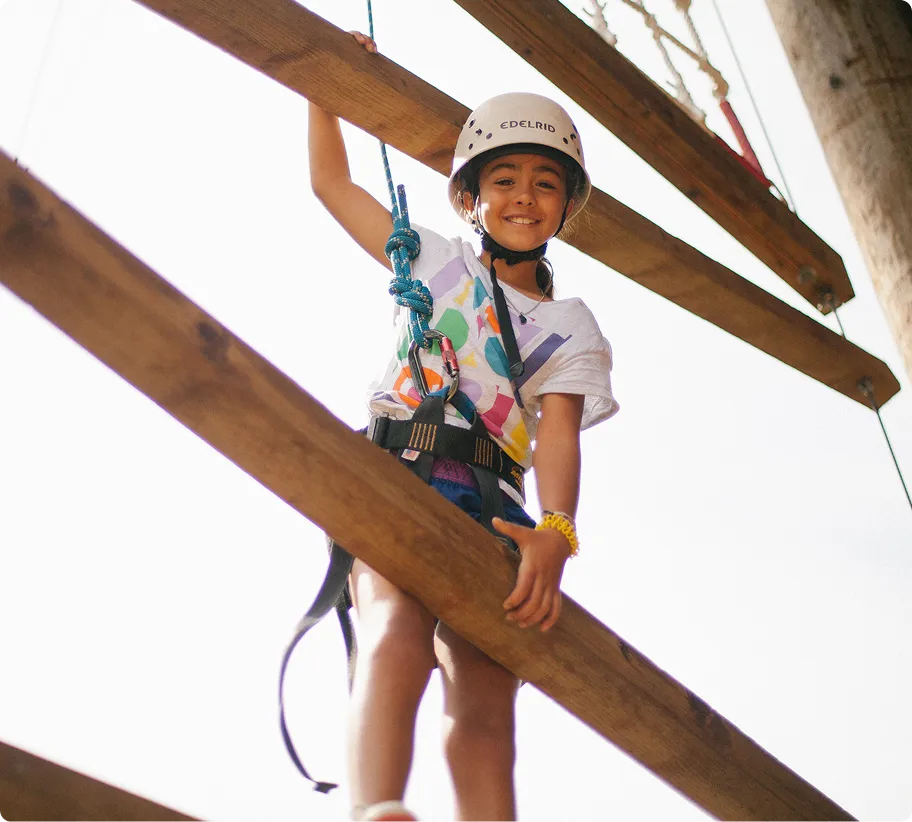
There is something to be excited about each day at YMCA Camp Elphinstone. All activities are age-appropriate, and participation is based on campers' age, size, skill and safety. Available activities may vary by program, age group and season.
Campers participate in a range of outdoor, waterfront, creative and skill-building activities during their time at Camp Elphinstone.
Skill Blocks: Campers choose one land-based activity and one water-based activity to focus on during their time at camp. Campers meet with their group each afternoon to focus on skill development.
Please Note: Backpacking/hiking, and canoe trips are applicable to out-trip programs and two-week cabins.
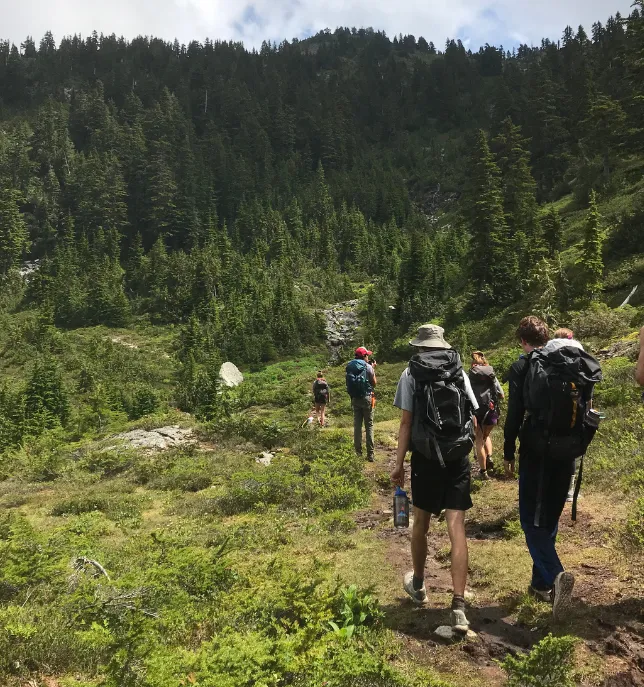

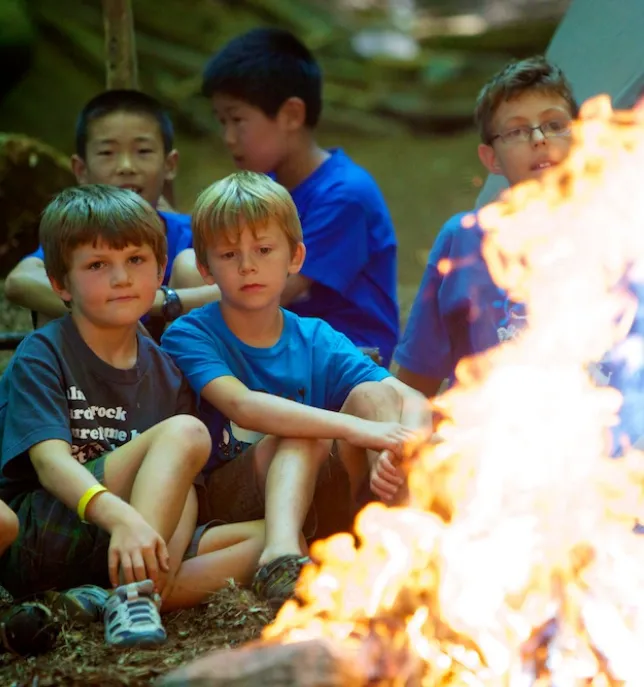
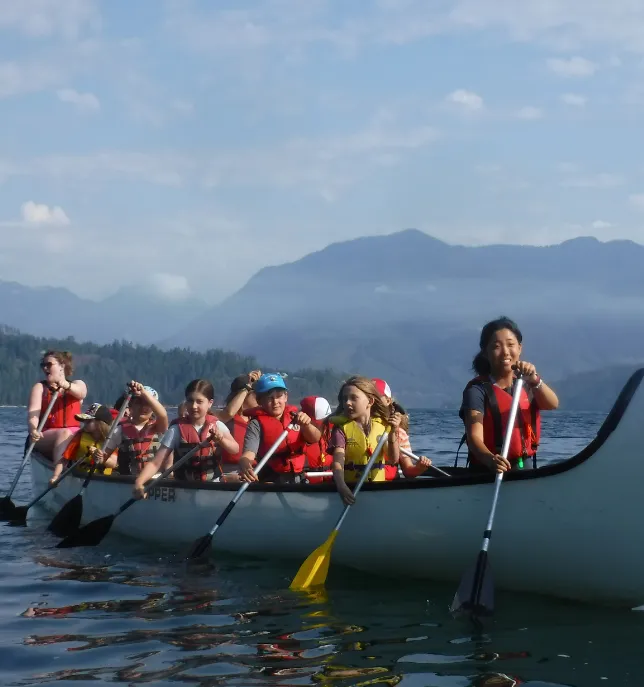
Day Camp participants rotate through a variety of activities, giving campers the opportunity to try different experiences and enjoy a full summer-camp experience.
Please Note: A more detailed schedule for Day Camp participants will be provided via email prior to the start of your camper’s session.

Campers participate in a range of outdoor, waterfront, creative and skill-building activities during their time at Camp Elphinstone.
Before your Family Camp session, your family will receive a form to rank the activities you are interested in exploring. A schedule will be provided to each family upon arrival.
Please Note: Parents and caregivers are responsible for supervising their children when they are not participating in scheduled camp activities.
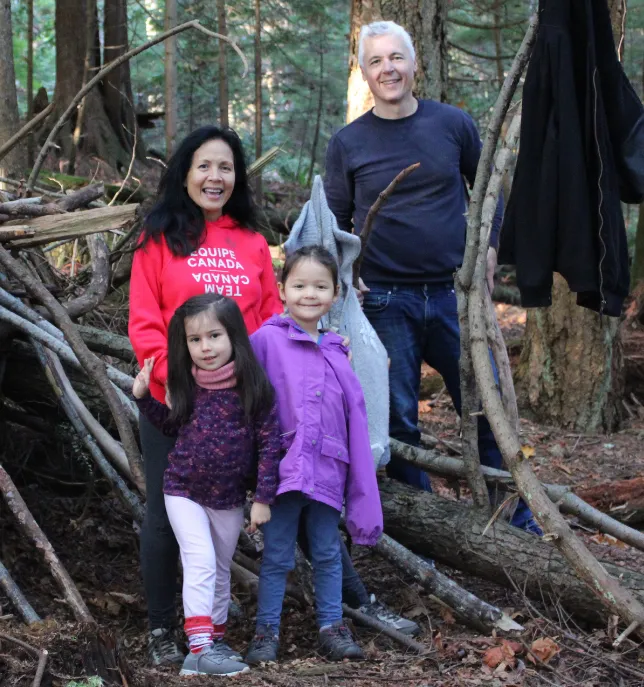
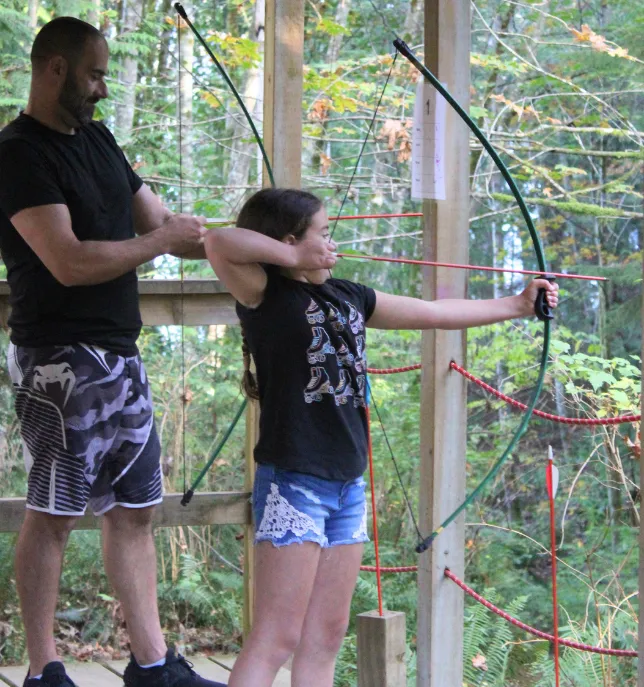
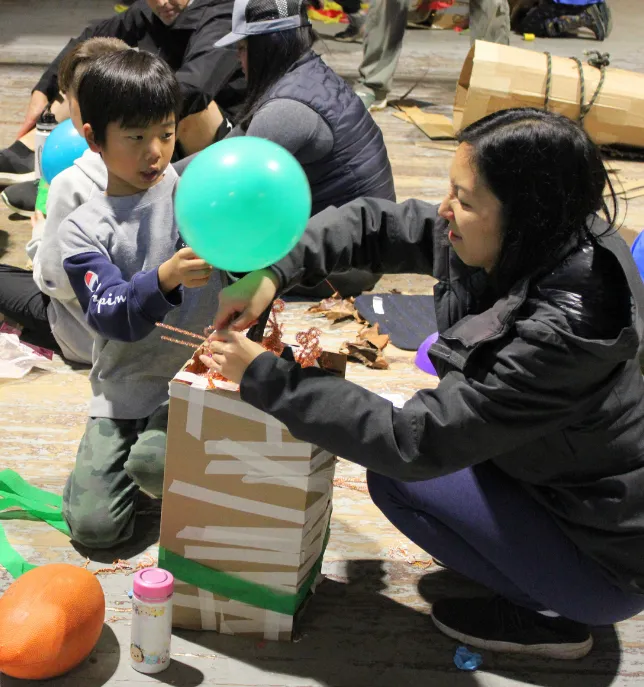
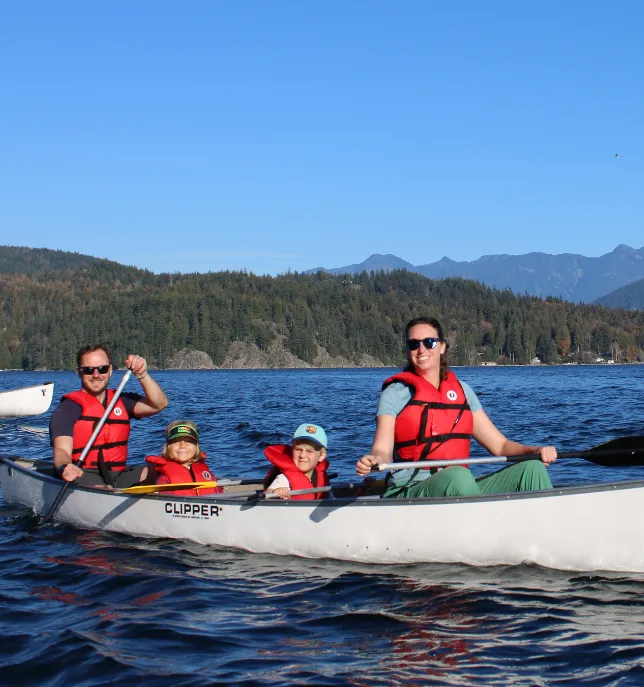
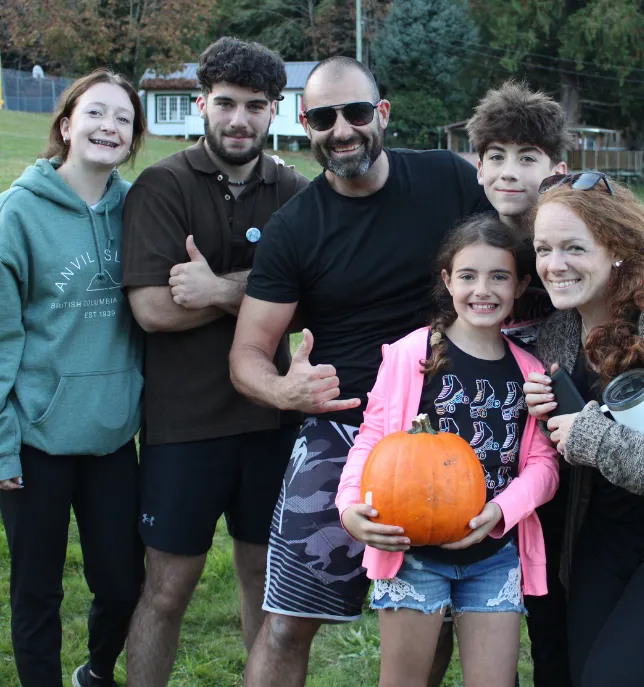
An enjoyable experience begins with a healthy participant. The health and well-being of every camper and family member—physical, social and emotional—is vital to us.
Our programs emphasize careful planning to ensure high safety standards are in place and followed.
See below for our detailed Health & Safety Guidelines.
Our camp staff are trained to reduce risks and respond to emergencies.
All staff hold current CPR and First Aid certifications. Depending on their roles at camp, many staff members hold additional qualifications.
YMCA Camp Elphinstone is accredited by the British Columbia Camps Association, and many YMCA practices exceed BCCA standards. We comply with various health and safety regulations and industry standards to ensure a safe environment.
24 Hour Supervision
YMCA Camp Elphinstone provides “24/7” supervision of all campers.
FOR OVERNIGHT CAMPS: Each cabin is led by a pair of counsellors who ensure a high level of supervision throughout the session. Counsellors sleep in the cabin with campers and are available day and night for emergency situations.
Wellness Centre
Our Wellness Centre serves the health needs of everyone at camp. The Wellness Staff oversee the daily routine of camper health checks, delivering medications and handling incidents or accidents on site. The staff team is familiar with all kinds of common ailments and are always working with participants to make sure they are at their best.
The Wellness Staff will keep you informed about your child’s condition in the event of a change in health, a trip to the doctor or an emergency. If you have any concerns or questions regarding your child’s health while they are at camp, our Wellness Staff will call you back directly to discuss your concerns. In order for us to provide the best care for your child, please make sure to be as specific as possible when sharing your camper’s medical information with camp staff via CampBrain.
Medication
All medications are to be sent to camp in their original packages within a Ziploc bag, clearly labelled with camper's full name and date of birth. Camp will refuse any medication not in it's original packaging.
All medications are to be given to our Wellness staff at the check-in table on the first day. All camper medications are locked in a secure space within the Wellness Centre and are only accessible to campers by a staff.
If your camper wears a medic alert bracelet, we strongly encourage that they wear this bracelet while at camp and that this information is clearly noted on the camper's medical form on CampBrain.
Campers who have an epi pen are required to carry it on them at all times
Illness at Camp
BEFORE CAMP: Participants are asked to stay home from camp until all participants are fully recovered from illness. This means waiting 24 to 48 hours after the last incidence of fever, vomiting or diarrhea.
This helps prevent the spread of viruses and other communicable illnesses. Participants should return only when they are prepared and able to participate actively in camp activities.
DURING CAMP: Camp is a challenging environment in which to manage contagious illnesses. We closely monitor the health of campers and staff and take steps to reduce the potential spread of illness.
It is our camp practice to treat injury, illness and infectious diseases as per recommendation of the local health unit. For common illnesses or viruses, children will be taken to a local clinic for assessment, prescription for medication will be given and campers will be asked to return home until they are no longer contagious. Unfortunately, we do not have the space or the additional staff supervision to support individual campers for lengthy medical stays in our Wellness Centre.
FOR OVERNIGHT CAMPS: Campers who meet the criteria below will be required to self-isolate and be picked up from camp for a minimum of 48 hours and up to five days:
- Two or more symptoms related to a contagious illness that cannot be explained by a pre-existing condition or circumstance
- Fever
- Gastrointestinal symptoms lasting more than 12 hours
We cannot list every reason a camper may be sent home for and if your camper becomes ill at camp, a family member or emergency contact must be available to pick them up within six hours of the initial contact from camp.
It is very challenging to manage contagious illnesses at camp and camp does not have extra resources for long wellness stays. We believe the best place to recover from illness is at home.
Families are responsible for costs associated with prescriptions and will not be reimbursed for time spent at home.
Campers may return after a minimum of 48 hours from the time they leave camp if their symptoms have improved, they no longer have a fever and they feel well enough to participate in regular programming.
Head Lice
Please check participants for head lice at least one week before arriving at camp and again the day before your camp session begins. If lice or nits are found, the affected participant will not be permitted to attend camp until they are nit-free.
It can take seven to eight days to remove lice and nits effectively, so checking in advance is important. Please keep in mind that it can be difficult for a child to integrate into their cabin if they miss the first day or two of camp.
If you are unsure how to check for head lice, please speak with your family doctor or a public health nurse. Although lice do not carry disease and are not considered dangerous, they are a nuisance. Please help us keep our camp lice-free.
If lice or nits are found when a participant arrives at camp and they are unable to attend, a refund will not be provided.
Dietary Restrictions
At Camp Elphinstone, we take all camper dietary restrictions seriously and make every effort to support campers with dietary restrictions by offering alternatives to each meal. We work to provide simple and clear communication to campers regarding dietary restrictions and allergens that each meal contains and provide direction on where to get their alternative meal.
Prior to your child’s camp session, it is important to talk to them about the following:
- It is the camper's responsibility to ensure they are following their required diet and are paying attention to the allergens that are announced before each meal
- If they have any questions or concerns regarding the food provided at camp they should speak to a YMCA staff member right away
If you need to review or edit your camper’s dietary needs, you can do so by contacting our registration team at camp.elphinstone@ymcabc.ca.
Supervision of Waterfront Activities
Waterfront activities are supervised by staff with a valid National Lifeguard certification.
All campers and staff must wear PFDs during waterfront activities, including while using boats and paddleboards. Campers who would like to swim without a personal flotation device must successfully complete a swim test.
Bedwetting Support
FOR OVERNIGHT CAMPS: If bedwetting is a concern, please note that our staff are trained to deal with this discreetly, working with children one-on-one.
Campers are encouraged to ask their counsellors for help, day or night, and every effort is made to prevent accidents. Campers who may wet the bed are asked to bring extra bedding or sleeping bag liners to camp. We will quickly launder any soiled bedding.
Please make sure this has been noted as part of your camper’s medical information.
Out-trip Safety
FOR OVERNIGHT CAMPS: Our out-tripping staff hold Wilderness First Aid, NLS, and FOODSAFE qualifications. While on a trip, out-tripping staff check in with the Summer Camp Manager or designate each night via cellphone, satellite phone, or inREACH device.
Preparing for Homesickness
It is natural for campers to miss home while they are away. For many children, camp may be their first extended experience away from family. Homesickness often appears as frequent thoughts about home. Campers may also feel withdrawn, cry or experience headaches, stomachaches or other physical discomfort. Preparing together before camp can help your camper feel more confident about their upcoming adventure.
Helping Your Camper Prepare at Home: Before camp, consider the following:
- Learn about YMCA Camp Elphinstone together so your camper has a better idea of what to expect
- Talk about the activities available at camp and ask your camper what they are excited to try
- Review the camp information together
- Arrange a sleepover with a friend or family member so your camper can practise being away from home
- Use a calendar to show how long your camper will be away
- Predictability and perspective can be reassuring
- Pack a favourite stuffed animal or a photo of your family
- Encourage your camper to bring writing supplies so they can send letters home
Offer a Positive Send-off: Before camp, try to avoid comments that may reflect your own anxiety about your camper being away.
Phrases such as “I hope you will be okay” or “What will I do without you?” may leave a camper worried that something bad could happen while they are away. Instead, offer reassurance and confidence. For example: “I know you are looking forward to trying lots of activities at camp. I cannot wait to hear your stories when you come home.”
Avoid making a deal to bring your camper home if they do not like being away. This may unintentionally suggest that you are not confident in their ability to manage a new experience. It may also prevent them from giving camp a fair chance.
Talk Openly About Missing Home: Let your camper know that homesickness is normal. Talk about strategies they can use if they start to miss home, such as:
- Writing a letter home
- Sharing their feelings with a friend or counsellor
- Hugging a favourite stuffed animal
- Thinking about the stories they will be able to share after camp
How We Support Campers Experiencing Homesickness
We are committed to creating a positive and caring camp community. Our team focuses on helping campers feel welcome, included and supported from the first day.
Building Community: On the first day, campers have opportunities to meet their cabinmates, learn about the camp site and understand what to expect during their stay. Cabin groups discuss expectations, play games and review their schedules so campers can feel more comfortable with the rhythm of camp.
Connecting With Camp Leaders: A Head Counsellor or Supervisor meets with each group within the first 24 hours. Campers learn what they can expect from their counsellors and who they can speak with if they need help.
Offering Individual Support: Our counsellors and camp staff care deeply about each camper's experience and well-being. Staff are trained to recognize homesickness and use supportive strategies to help campers cope with time away from home.
Often, campers need someone to sit with them, listen and talk through how they are feeling.
Working With Families: If a camper remains persistently homesick and is unable or unwilling to participate in activities, our team will tailor support to their individual circumstances. A Supervisor, Manager or Assistant Manager will contact the camper's parent or caregiver.
The initial call is an opportunity to share information and identify strategies that may help.If homesickness continues to prevent the camper from participating, the family and camp team may decide that the camper would benefit from a phone call home, an afternoon visit from a family member or, in serious cases, leaving camp.
Calls home take place during the day. Evening phone calls can make feelings of homesickness stronger.
We look forward to supporting your camper and working with your family to help create a positive and exciting camp experience.
A positive camp experience begins with clear expectations and the right support. Review the information below to learn more about our Inclusion Program, behaviour guidelines, technology policy, and cancellation and transfer policies before your camp session.
Camp Inclusion Policy
At YMCA Camp Elphinstone, we are committed to Equity, Diversity, Inclusion and Belonging (EDIB). This includes creating inclusive spaces and programming for everyone who comes to camp, where we celebrate and value all backgrounds and identities.
YMCA Camp Elphinstone offers one-to-one support from Inclusion Counsellors to a limited number of campers.
A strong indicator that our Inclusion Program may be appropriate for your child is if they receive full-time, shared or one-to-one support within the school system. If you believe your camper may require the Inclusion Program to have a successful camp experience, please contact the camp team before registering for a camp session.
Our counsellors are experienced in supporting children with diverse abilities. However, they are not educational assistants, behavioural interventionists or occupational therapists. All campers must have control of their bowel and bladder, be able to wipe independently and be able to follow basic instructions.
As we continue our commitment to EDIB, we will keep learning, growing and strengthening the Inclusion Program.
Behaviour Guidelines
YMCA Camp Elphinstone is a place where campers learn and thrive in a safe, fun and supportive environment. All camp participants, staff and volunteers pledge to follow the "Ways We Treat Each Other".
Inappropriate behaviour, including but not limited to offensive language, aggression, bullying or the use of prohibited items such as tobacco, vape juice, alcohol, non-prescription drugs or offensive materials, is not permitted.
To ensure a safe and inclusive environment for all campers, any intentional participant behaviour that places campers, volunteers, staff members or others at physical or emotional risk may result in immediate dismissal from the camp program. Any expenses incurred as a result of program dismissal are the responsibility of the participant, parent or guardian. No refund will be given to campers leaving camp prior to the end of the session due to non-tolerated behaviour.
Non-tolerated behaviour includes but is not limited to, offensive language, teasing or bullying, vandalism, angry or rude outbursts, ignoring camp rules or boundaries set by camp staff, running away, and hands-on with campers or staff and/or physical fighting.
There are different tolerance thresholds for different non-tolerated behaviours and there is nuance when making the decision to dismiss a camper from camp programming. Dismissal from camp programming is at the discretion of the Summer Camp Manager, Camp Director or designate.
Behaviour Management Procedures
Camp staff follow the outlined procedure below when addressing challenging behaviours during camp programming. Depending on the severity of a behaviour, staff may move to a different step without completing the earlier steps.
1. Warning: The camper will be told that their behaviour is unacceptable
2. Self-Directed Time Away: The camper will be asked to take some time away from the group until they are ready to participate according to the behaviour guidelines
3. Leader-Directed Time Away: The camper will be asked to take time away until the leader decides they are ready to participate according to the behaviour guidelines. A senior staff member will contact the camper's family to discuss the behaviour and next steps
4. Camper Sent Home: The camper's family must pick up their camper
Camp management retains the right to dismiss campers from programming at any stage if the severity of the behaviour requires it.
Camp Technology Policy
We strive to provide a fully immersive camp experience. We believe that the use of technology inhibits the camp experience, and we want camp to be a place where everyone can disconnect from technology, reconnect with friends and experience the full beauty of the outdoors.
As such, Camp Elphinstone is a no-technology environment. All camp participants, staff, and volunteers are expected to follow our no-technology policy.
We ask all campers to leave all technology devices at home, including cellphones, smart watches, iPods, iPads, cameras, speakers and gaming devices.
If you have concerns about not being able to contact your camper, please contact us and we can develop a communication plan that works for you and our staff team.
Cancellation and Transfer Policy
All cancellations must be submitted in writing to camp.elphinstone@ymcabc.ca.
Medical cancellations will receive a refund less the non-refundable deposit. In some cases, a medical note may be required at the discretion of Camp Management.
Any changes to registration may be subject to a non-negotiable $25 administrative fee per session. This includes, but is not limited to, changing/transferring sessions. Please check your specific camp program details below for additional notes.
Refunds will not be issued when a camper is removed from a camp program once the session has started at the request of the camper or their family, or if they are dismissed from camp for not following behaviour expectations or camp rules.
For Overnight Camp
To receive a full refund, less the non-refundable deposit, cancellations must be submitted before June 1, 2025.
Cancellations received after June 1, 2025, but at least 14 days before the camp session begins, will be charged a $250 cancellation fee and the non-refundable deposit.
Cancellations received fewer than 14 days before the program start date will be charged the full camp fee.
For Day Camp
To receive a full refund, less the non-refundable deposit, cancellations must be submitted at least 14 days before the camp session begins.
Cancellations received fewer than 14 days before the program start date will be charged the full camp fee.
For Family Camp
To receive a full refund, less the non-refundable deposit, cancellations must be submitted at least 30 days before the camp session begins.
Cancellations received fewer than 30 days but at least 14 days before the camp session begins will be charged a $250 cancellation fee and the non-refundable deposit.
Cancellations received fewer than 14 days before the program start date will be charged the full camp fee.
Transportation and arrival instructions vary by program. Please review the information relevant to your camp experience and read your pre-arrival email carefully.
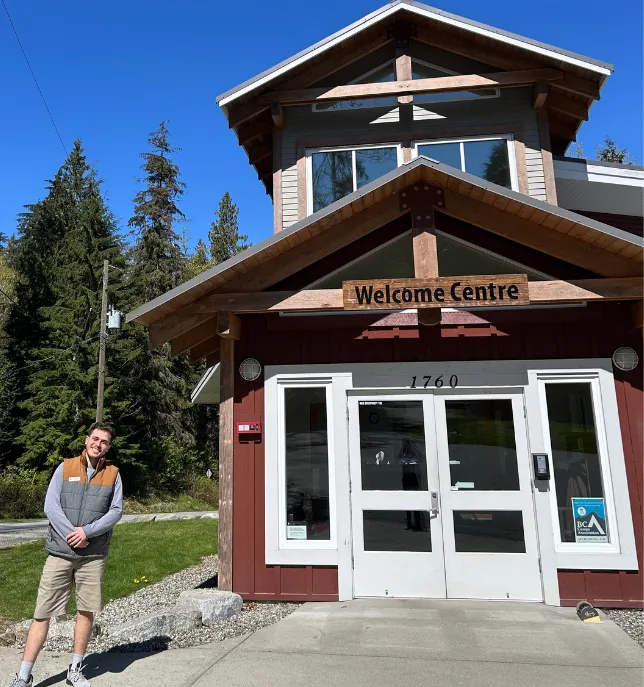



Please ensure you arrive at the bus stop at least 10 minutes prior to the scheduled bus time and allow up to 15 minutes for delays. If you miss the bus, please drive your child to camp and contact us directly at 604-886-2025.
See Bus Schedule
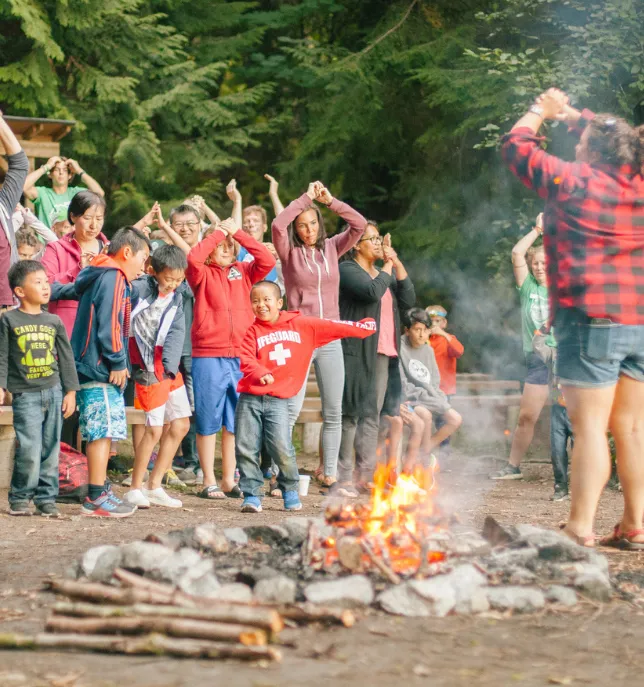
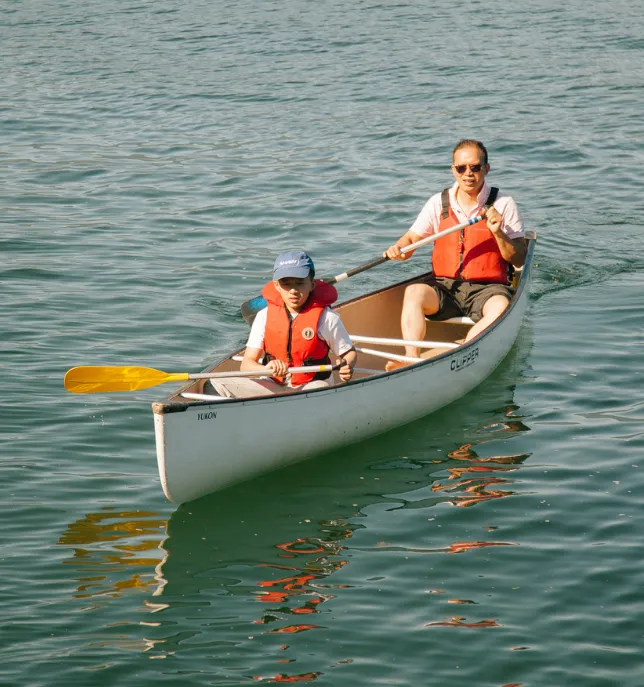
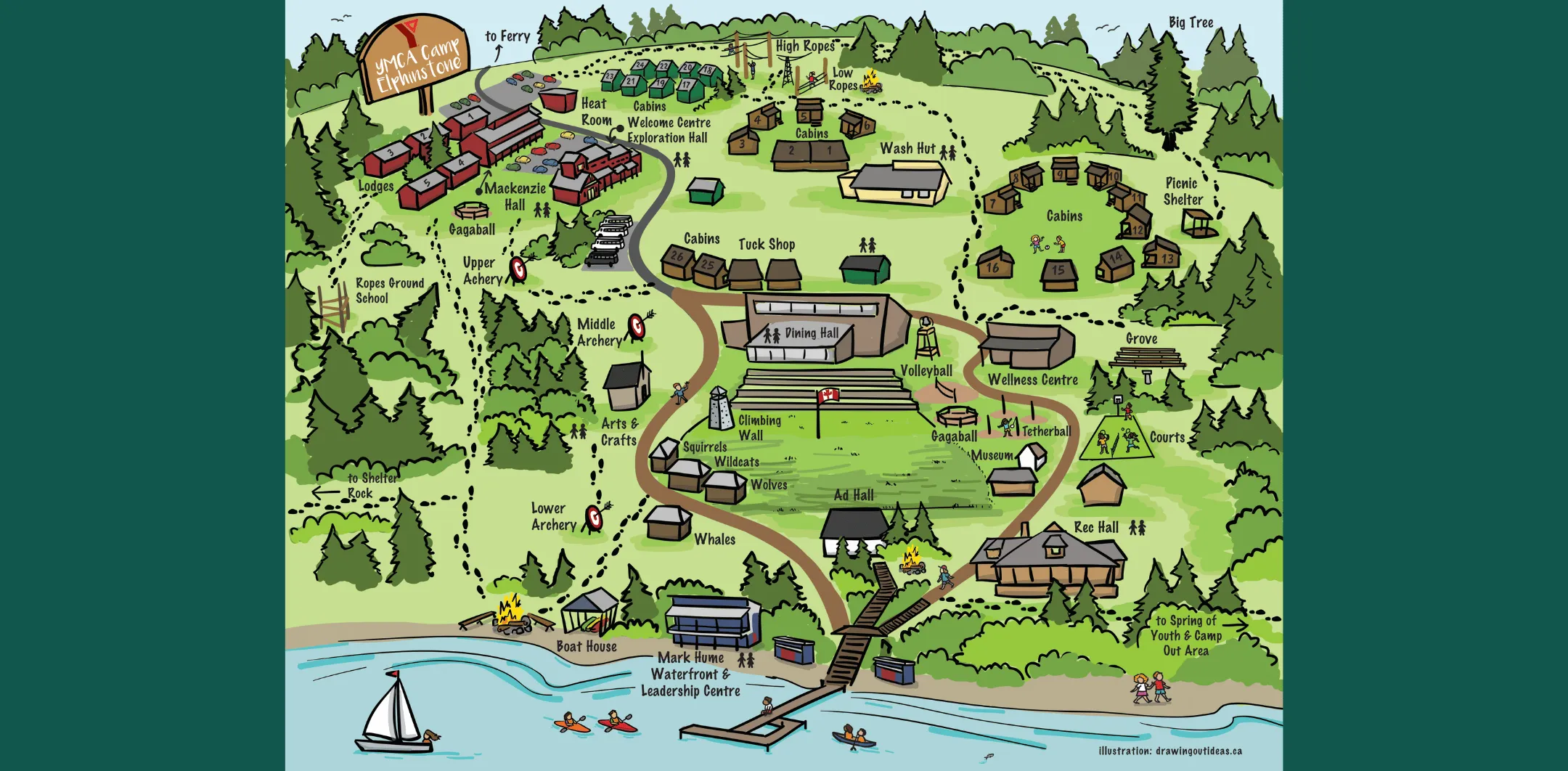
Explore the illustrated map below before your visit to get familiar with key areas around camp and feel more prepared for arrival.
Our Tuck Shop is a great place for campers to find merchandise and souvenirs from their camp experience. All campers have an opportunity to visit our Tuck Shop with their group at least once a week.
Items you might find in the Tuck Shop include T-shirts, sweaters, hats, water bottles, stickers, and more!
Families can purchase Tuck Shop credits for their camper to spend during their session by logging into their account. Credits should be purchased before the start of your camper's session. To add credits when logged into CampBrain:
- Select “View Details” on the camp session and go to the Tuck Shop section
- Select “Add Funds” to purchase credits
Unused credit balances of less than $10 will be donated to YMCA BC's Financial Assistance Program to help make Camp Elphinstone accessible to all. Unused balances of $10 or more will be refunded to families at the end of the camp season.
The Tuck Shop does NOT accept cash, which should not be brought to camp.
Please contact the Camp Elphinstone team. Reaching out before your session gives us time to answer questions, address concerns and help make your arrival as smooth as possible.
Phone: 604-886-2025
Email: camp.elphinstone@ymcabc.ca
Please also review your pre-arrival email carefully for session-specific updates and reminders.
When you join the YMCA you join more than a gym. You join a community.